
Introduction
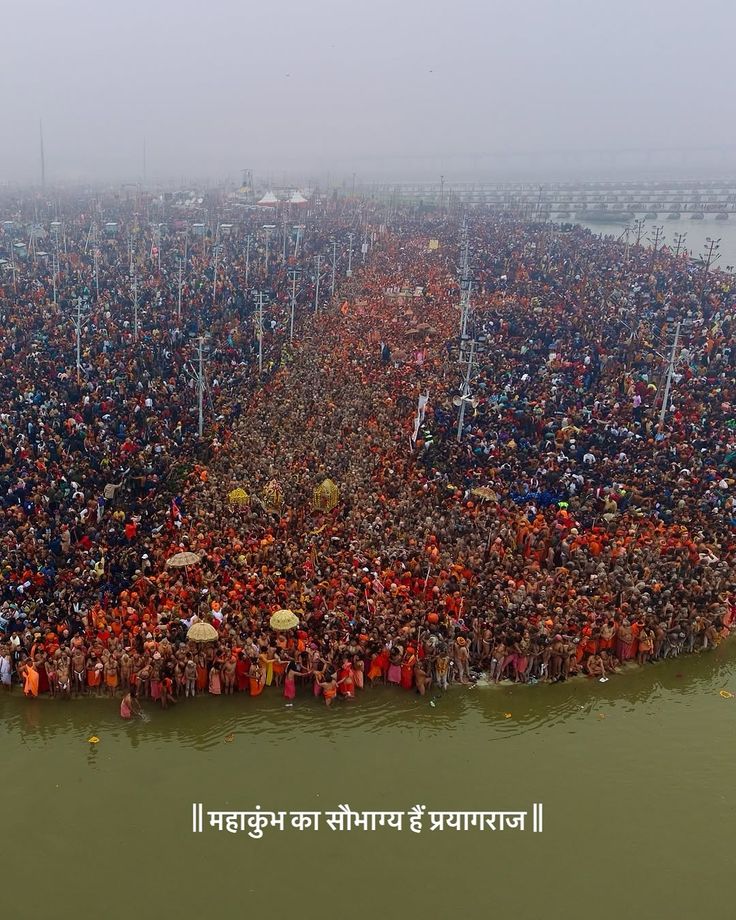
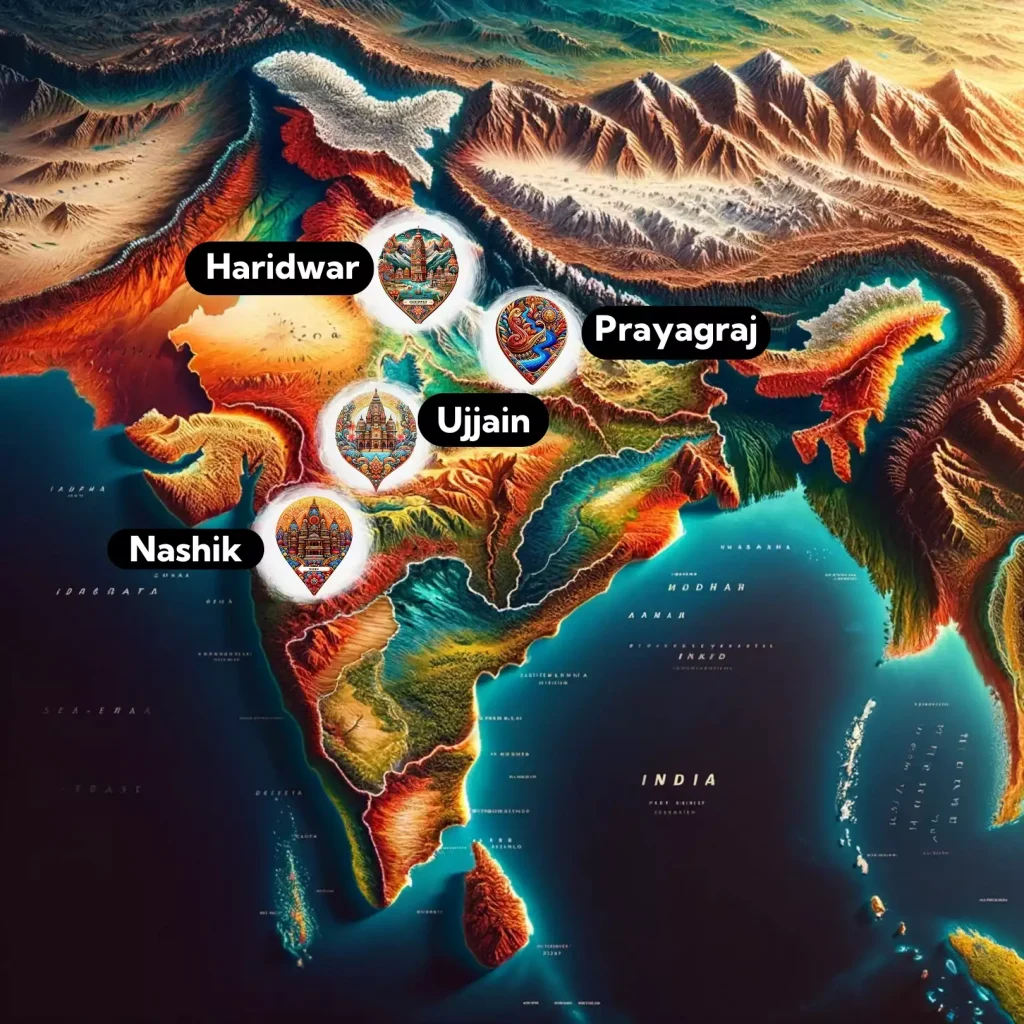
Kumbh Mela: Kumbh Mela is one of the largest religious gatherings in the world, celebrated by millions of devotees from India and across the globe. Held every 12 years at four sacred locations—Prayagraj (Allahabad), Haridwar, Ujjain, and Nashik—the festival holds immense spiritual significance in Hindu culture. Pilgrims gather to take a holy dip in the sacred rivers, believing it cleanses them of sins and leads to salvation.
Historical and Mythological Significance
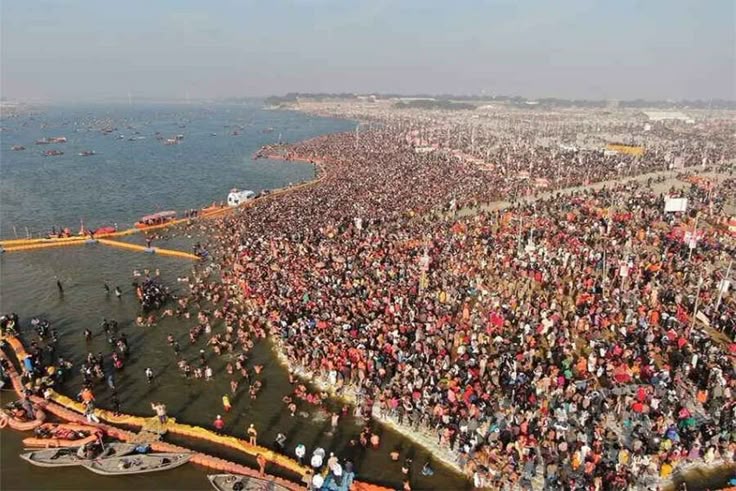
The origins of Kumbh Mela trace back to Hindu mythology, specifically the legend of the Samudra Manthan (churning of the ocean). According to the Puranas, during the churning of the ocean by the gods (Devas) and demons (Asuras), a pot (Kumbh) of Amrit (nectar of immortality) emerged. A divine battle ensued over its possession, and drops of nectar fell at four places—Prayagraj, Haridwar, Ujjain, and Nashik—making them sacred pilgrimage sites.

The Four Locations and Their Importance
- Prayagraj (Allahabad) – The confluence of the Ganga, Yamuna, and the mythical Saraswati rivers, known as the Triveni Sangam, considered as the holiest site.
- Haridwar – Haridwar is located on the banks of the Ganga, where drops of nectar first fell.
- Ujjain – The Kshipra River is significant here and associated with Lord Shiva.
- Nashik – Situated on the Godavari River, Nashik has a strong connection to Lord Rama’s exile in Hindu epics.
The Rituals and Activities at Kumbh Mela
- Shahi Snan (Royal Bath): The most auspicious event where saints, sadhus, and devotees take a holy dip in the river.
- Spiritual Discourses: Religious discussions and discourses by saints, gurus, and scholars.
- Peshwai Procession: A grand procession of sadhus, often led by the Naga Sadhus, who live in extreme renunciation.
- Cultural Events: Traditional music, dance, and religious storytelling.
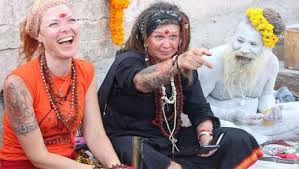
(Insert Image: Naga Sadhus at Kumbh Mela)
The Experience and Its Global Appeal
Kumbh Mela attracts people not only from India but from across the world. It is an extraordinary sight where spirituality, devotion, and cultural heritage blend seamlessly. The kumbh mela is seen by UNESCO as an Intangible Cultural Heritage of Humanity.
Conclusion
Kumbh Mela is not just a religious festival but a profound spiritual experience that symbolizes faith, devotion, and unity. It offers a unique opportunity to witness the confluence of tradition, mythology, and culture on a massive scale. Whether as a pilgrim or a spectator, visiting Kumbh Mela is an experience of a lifetime.